Tech Nation
Not financial or fundraising advice. See full disclaimer.
Tickets
Rounds
Sectors
Target Geography
Last Edited:
October 2, 2025
To suggest a correction to the database, or request to be added or removed from it, contact us at info@adeline.co.uk.
Few organisations have shaped the UK’s tech startup landscape quite like Tech Nation. Founded in 2014 and now operating under the Founders Forum Group, Tech Nation has grown into one of the most influential players in the early-stage ecosystem—not as a source of capital, but as a builder of networks, credibility and access. For founders, particularly those outside the typical investor radar, its programmes offer a rare combination of structure, visibility, and real-world traction.
What distinguishes Tech Nation is its breadth and intentionality. It doesn’t run a one-size-fits-all accelerator. Instead, it offers a suite of targeted programmes designed to address specific founder needs and gaps in the ecosystem. The Climate programme, for example, supports startups tackling the climate crisis—helping them navigate complex regulatory environments, connect with policy makers and industry leaders, and prepare for growth. Alumni include the likes of Olio and Satellite Vu, with participants regularly going on to raise major rounds or land high-profile partnerships.
Then there’s Libra, designed for underrepresented founders—particularly those from ethnic minority backgrounds. Running its third cohort in 2024, the programme offers more than mentorship and workshops. It creates space: a place where founders can candidly address the structural barriers they’ve faced, and build community among peers with shared experience. Libra is founder-first, free to join, and long on substance. Alumni report not just growth in funding and traction, but renewed confidence in their own leadership.
Creo, Tech Nation’s newest initiative, is the first UK programme built for disabled and neurodiverse founders—or those building solutions for the disabled community. It’s a rare and welcome step toward inclusive innovation, offering practical support and visibility to a group too often sidelined in mainstream accelerators. Early participants have already gained media attention, pilot opportunities, and a voice in the national conversation around accessibility in tech.
For early-stage companies looking to break out, Rising Stars is perhaps the most recognisable of Tech Nation’s offerings: a national pitch competition, now with £3 million i partnerships with investors like Haatch and Wealth Club. The competition doesn’t just offer capital—it delivers a stamp of credibility and a platform at London Tech Week that can accelerate a startup’s trajectory overnight.
Tech Nation generally doesn’t take equity for its accelerator programmes (though the Rising Stars prizes may involve equity), or charge fees. That makes it highly competitive. Selection panels prioritise strong teams, early traction, and a compelling mission. Support is structured but not stifling; the format is light-touch, but high impact. Most programmes run over a few months, combining peer learning, expert mentoring, and curated exposure to investors and corporates.
For founders, what matters most may be the ongoing community. Many describe their cohort as a lifelong network, and the Tech Nation alumni badge still carries weight. It’s not necessarily a cheque book—but for the right startup, it can be a launchpad.

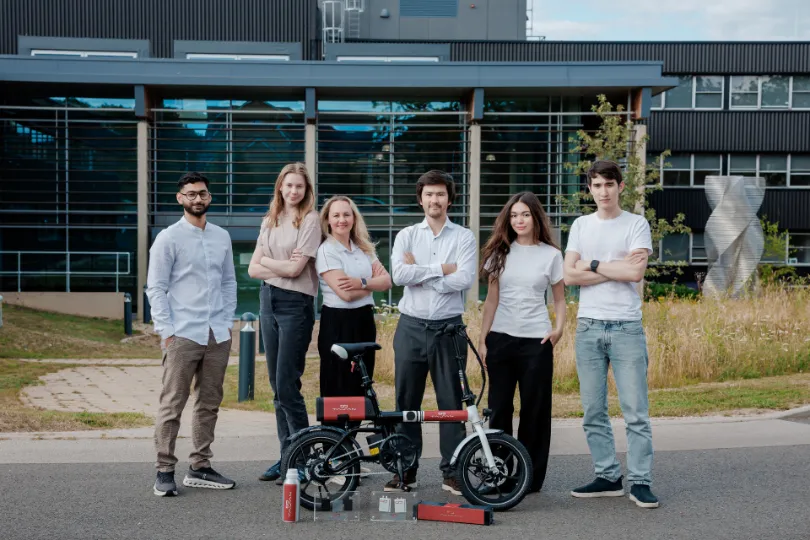
The next generation of sodium batteries: why we invested in TaiSan
Adeline Arts and Science participated in TaiSan's £4.65M seed round, co-led by Eos Advisory and the Midlands Engine Investment Fund II through Mercia Ventures.

Why rest is still today's most radical productivity hack
If being bored is the key to greatness, are you out of practice? Adeline's Liz Bennett on the power of deliberate rest in an era of AI hustle culture.
.svg)